Skip to page content
YOUR FIRST-HOME WORKBOOK

Your first home starts with a plan, not a price tag.

Explore the real costs of buying in Palm Bay, Melbourne, Viera, Cocoa and the beachside communities. Build a cash-to-close starting point, compare ways to finance and learn the questions to ask before falling in love with a listing.

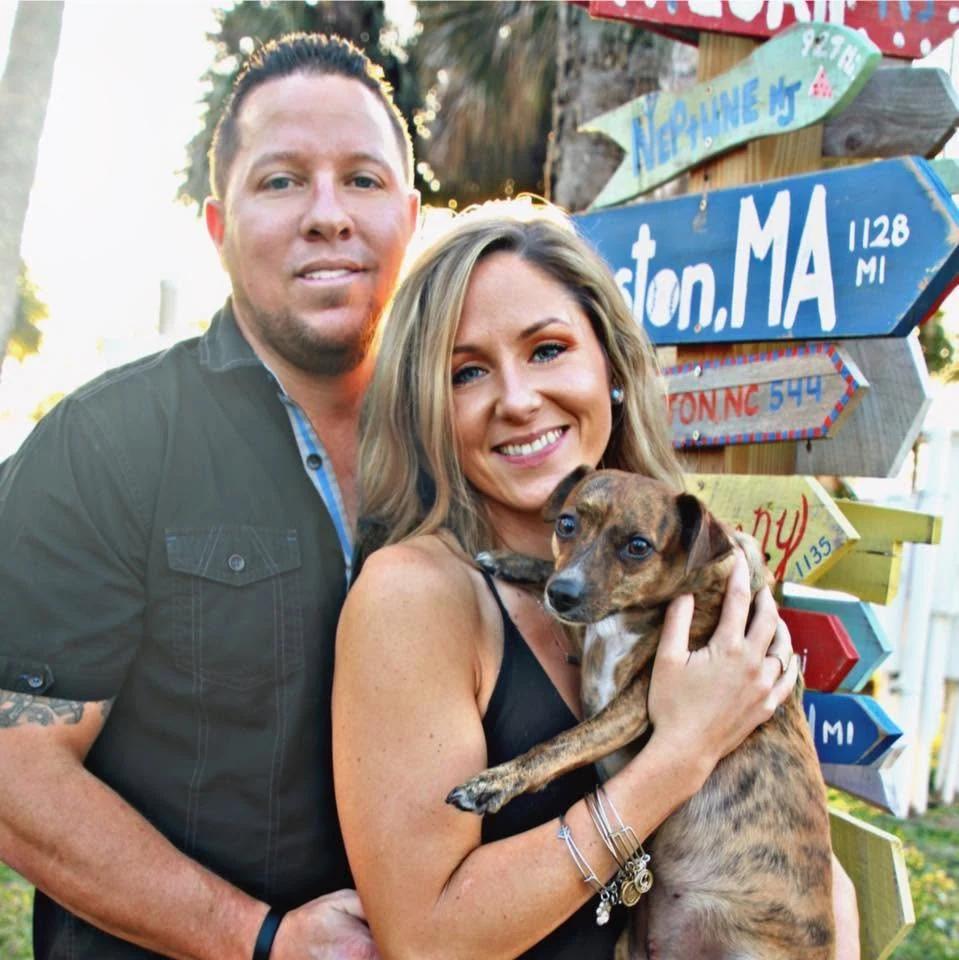
Jesse Griffith, pictured on the left, outdoors with a woman holding a dog
Jesse GriffithA local face for your next conversation.
Wooden beach-access boardwalk at dawn in Cocoa Beach
Cocoa Beach, Florida · Photo by Matt BensonLocal scenery, not a property listing. Photo credits
Locally focused on Brevard CountyJesse Griffith · NMLS #2023557Mortgage services: New American Funding
YOUR FIRST-HOME WORKBOOK

A first home. A few clear next steps.

INTERACTIVE PLANNING WORKSHEET

Estimate a cash-to-close starting point

Try your own assumptions. Closing costs and seller credits are illustrative, not program quotes or guarantees.

Illustrative additional cash at settlement$10,500

Down payment $10,500 + assumed other closing costs $9,000 − usable seller credit $5,000 − deposit $4,000. Earnest money counts toward cash already paid. Not a Loan Estimate. Does not include loan-specific adjustments, all reserves, unknown repair costs or down-payment assistance. Credits may not cover a down payment and may have limits.

YOUR NEXT STEP

Turn this estimate into a homebuying plan

Review the down payment, closing costs and credits for the home and loan you are considering.

Review my cash-to-close plan →

Scenario numbers stay on this page. They are not included in your inquiry link.

PRACTICAL LOCAL INFORMATION

Work backward from your comfortable payment

A list price is only one part of affordability. Property taxes can change after a sale, and your insurance, HOA or condo dues, mortgage insurance and escrow deposits all matter. Start with the payment you would be comfortable making each month, then work out the price range and available cash that fit your finances. You do not need to know the perfect loan program before asking questions.

01

Understand the four pieces of cash to close

The down payment is not your entire amount due at closing. Lender costs, title and settlement charges, prepaid homeowners insurance, property taxes and initial escrow funding may be substantial. An earnest-money deposit is typically credited at closing; it is not necessarily an additional expense.

  • Down payment depends on the loan product and eligibility
  • Closing charges and prepaids depend on the specific home and contract
  • Seller and lender credits have eligibility and program limits
02

Compare assistance without assuming you qualify

Florida Housing programs and local government assistance may have income, occupation, homebuyer education, purchase price, property, credit, lender and funding restrictions. Assistance is not necessarily a grant: it may be an additional loan that becomes payable on sale, refinance or maturity. Check current written terms and funding before relying on an amount.

  • Ask whether help is a grant, deferred second mortgage or forgivable second mortgage
  • Compare the assisted first mortgage with a standard loan
  • Verify current funding and participating-lender requirements
03

Make the offer with fewer surprises

Before touring homes seriously, review realistic taxes and insurance, flood-zone exposure, roof age, inspection findings and HOA or condo documents. Those variables can shift your payment or lender eligibility. An informed financing discussion can keep you from spending money on inspections for a property that cannot meet your program requirements.

  • Request property-specific tax and insurance estimates
  • Confirm financing and seller-concession terms in your contract
  • Use a secure lender portal for income, assets and credit documents
The first-home field guide

A little homework. A more confident first purchase.

Work through the questions that come before an offer: savings, assistance, taxes and a payment you can live with.

View all 9 guides →
FREE TAKE-HOME RESOURCE

Leave with a plan you can actually use.

Print a First Home Brevard worksheet or save it as a PDF. It includes questions to ask, a checklist to bring to your next conversation, and room for notes. No account or personal financial information required.

Ask about your situation →

SPACE COAST HOMEOWNER RESOURCE

First Home Brevard

Work backward from your comfortable payment

Planning worksheet

A list price is only one part of affordability. Property taxes can change after a sale, and your insurance, HOA or condo dues, mortgage insurance and escrow deposits all matter. Start with the payment you would be comfortable making each month, then work out the price range and available cash that fit your finances. You do not need to know the perfect loan program before asking questions.

Before your next appointment

  • Down payment depends on the loan product and eligibility
  • Closing charges and prepaids depend on the specific home and contract
  • Seller and lender credits have eligibility and program limits
  • Ask whether help is a grant, deferred second mortgage or forgivable second mortgage
  • Compare the assisted first mortgage with a standard loan
  • Verify current funding and participating-lender requirements
  • Request property-specific tax and insurance estimates
  • Confirm financing and seller-concession terms in your contract
  • Use a secure lender portal for income, assets and credit documents

Questions to bring with you

  1. Do I have to put 20% down?
  2. Does down-payment assistance mean free money?
  3. Will my monthly payment stay the same?

Notes / follow-up

Educational worksheet only. Not a financing quote, preapproval, promise of assistance funds, commitment to lend or legal/tax advice. Program rules, availability and property costs must be independently confirmed. All loans are subject to lender approval. Do not write Social Security numbers, account numbers or other sensitive information on this handout.

FOR BREVARD REALTOR PARTNERS

Give buyers and homeowners a resource worth saving.

Share this guide, provide a take-home checklist, and make your next client conversation easier. Our Realtor toolkit creates ready-to-send links and printable handouts.

Open Realtor toolkit →
SOURCES AND NEXT STEPS

Keep the program sources beside your plan.

Program rules, funding, listing schedules, rates and eligibility can change. Review official agency information and a current lender Loan Estimate. This page does not quote a rate, promise assistance funds or guarantee approval.

COMMON QUESTIONS

Questions before your first offer.

Do I have to put 20% down?

Not necessarily. Some mortgage programs allow much less, and VA financing may allow zero down for eligible buyers. Every program still has credit, income, asset and property requirements.

Does down-payment assistance mean free money?

Often no. Some assistance has repayment obligations, lien terms or conditional forgiveness. Ask for the full second-mortgage documents and program restrictions.

Will my monthly payment stay the same?

Principal and interest on a fixed-rate loan are generally stable, but taxes, insurance, and association dues may change.

Jesse Griffith, pictured on the left, outdoors with a woman holding a dog
Jesse GriffithA local face for your next conversation.
WHEN YOU ARE READY

Bring your first-home plan. Ask the next question.

Talk through your payment comfort, available savings and purchase timeline with Jesse. Keep sensitive financial documents in the lender's secure application.